Growth seen in UK’s Specialist Resource Provisions
The FOI request shows that SEND provision is growing throughout the UK, but the rate is slow and uneven and not moving at the pace required.
Kent County Council revealed that they commission the highest number of dedicated SEND facilities of the local authorities who responded to this query, with 67 of its schools having Specialist Resource Provisions. This number is only up by three facilities from the 64 schools recorded in 2022/23.
The other local authorities which detailed they had increased the number of dedicated SEND classrooms and facilities that they commission over the past few years are:
- Essex County Council – 46 establishments with resourced provisions or Social, Emotional and Mental Health (SEMH) partnerships (up from 39 establishments in 2022/23).
- Swansea Council – 35 schools with dedicated Special Educational Needs (SEN) facilities (up from 33 schools in 2024/25).
- Devon County Council – 16 mainstream schools with dedicated SEND facilities (up from ten mainstream schools in 2023/24).
- Northumberland County Council – Eight schools with dedicated SEND facilities (up from seven schools in 2023/24).
Analysing the budget that goes towards SEND facilities across the UK
Another interesting aspect of the FOI request has been the fluctuations with the capital budgets allocated to UK-based SEND facilities in recent years.
Only three of the eight local authorities which revealed their capital budgets in this area have seen their funds increase:
| Local Authority |
Capital Budget 2022/23 |
Capital Budget 2024/25 |
Percentage Increase |
| Croydon Council |
£356,000 |
£3,000,000 |
742.70% |
| Nottinghamshire County Council |
£3,217,641 |
£15,890,460 |
393.85% |
| Northumberland County Council |
£6,082,981.75 |
£12,396,385.56 |
103.79% |
During the same date period though, the following local authorities have had their capital budget that is allocated to SEND facilities reduced:
| Local Authority |
Capital Budget 2022/23 |
Capital Budget 2024/25 |
Percentage Decrease |
| Kent County Council |
£32,108,713.21 |
£7,980,358.94 |
75.15% |
| Essex County Council |
£13,174,000 |
£10,019,000 |
23.95% |
| Glasgow City Council |
£1,117,792.77 |
£881,571.01 |
21.13% |
| Sheffield City Council |
£4,023,815.06 |
£3,859,805.41 |
4.08% |
These capital budget figures come shortly after the government detailed plans to invest £3 billion over the next three years so that 50,000 more places can be created for SEND children at England’s mainstream schools.
Jashan, who is also a school governor, observed: “The UK’s school system is currently under intense pressure, in particular when it comes to the rising demand for support for pupils with SEND coupled with the scarcity of specialist places which are available.
“Councils receiving £3 billion to establish tens of thousands more school spaces for SEND children has the potential to make a huge difference. Our FOI has found that there is close to 1,500 pupils already on waiting lists for specialist placements at just six local authorities.
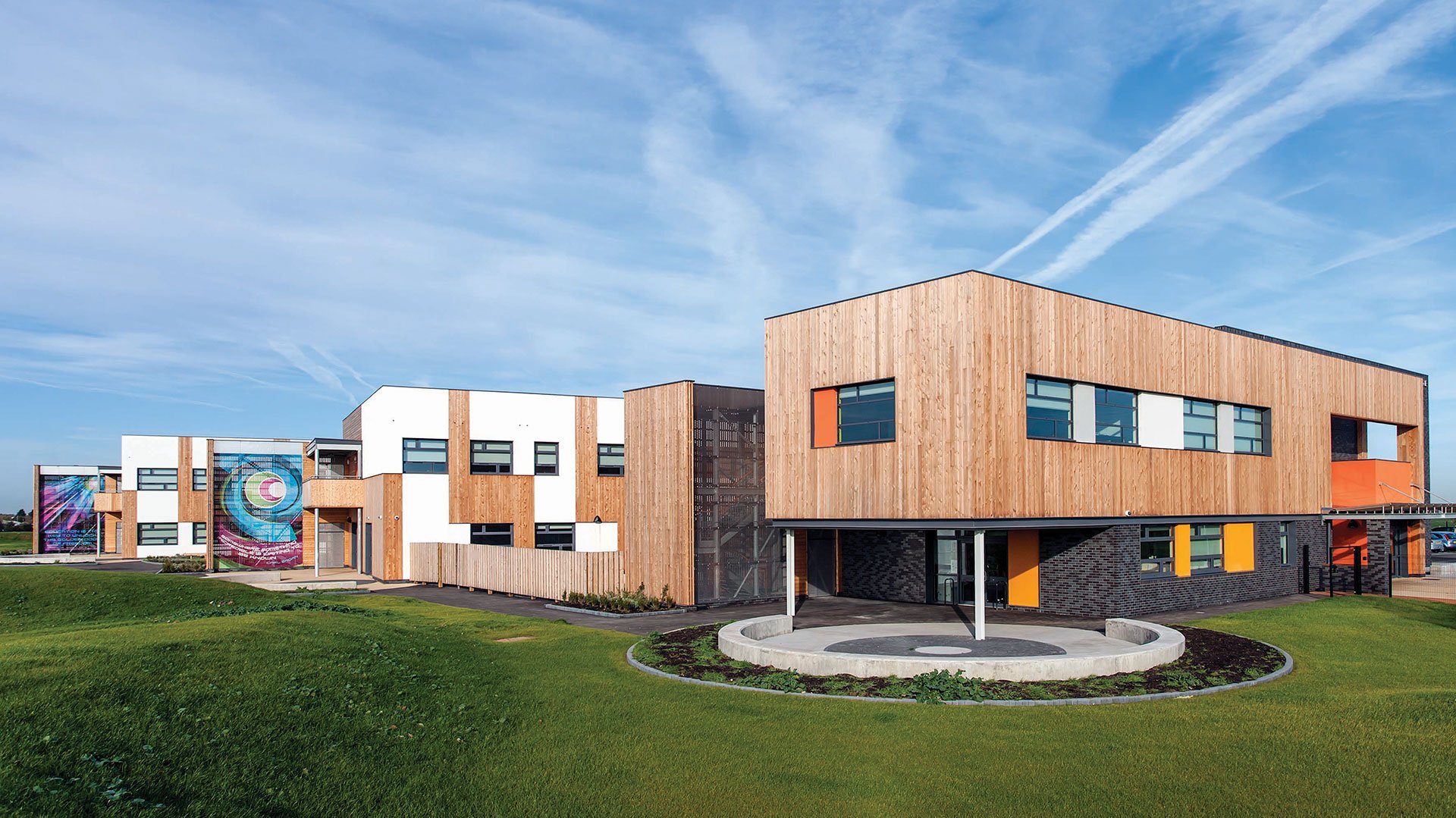
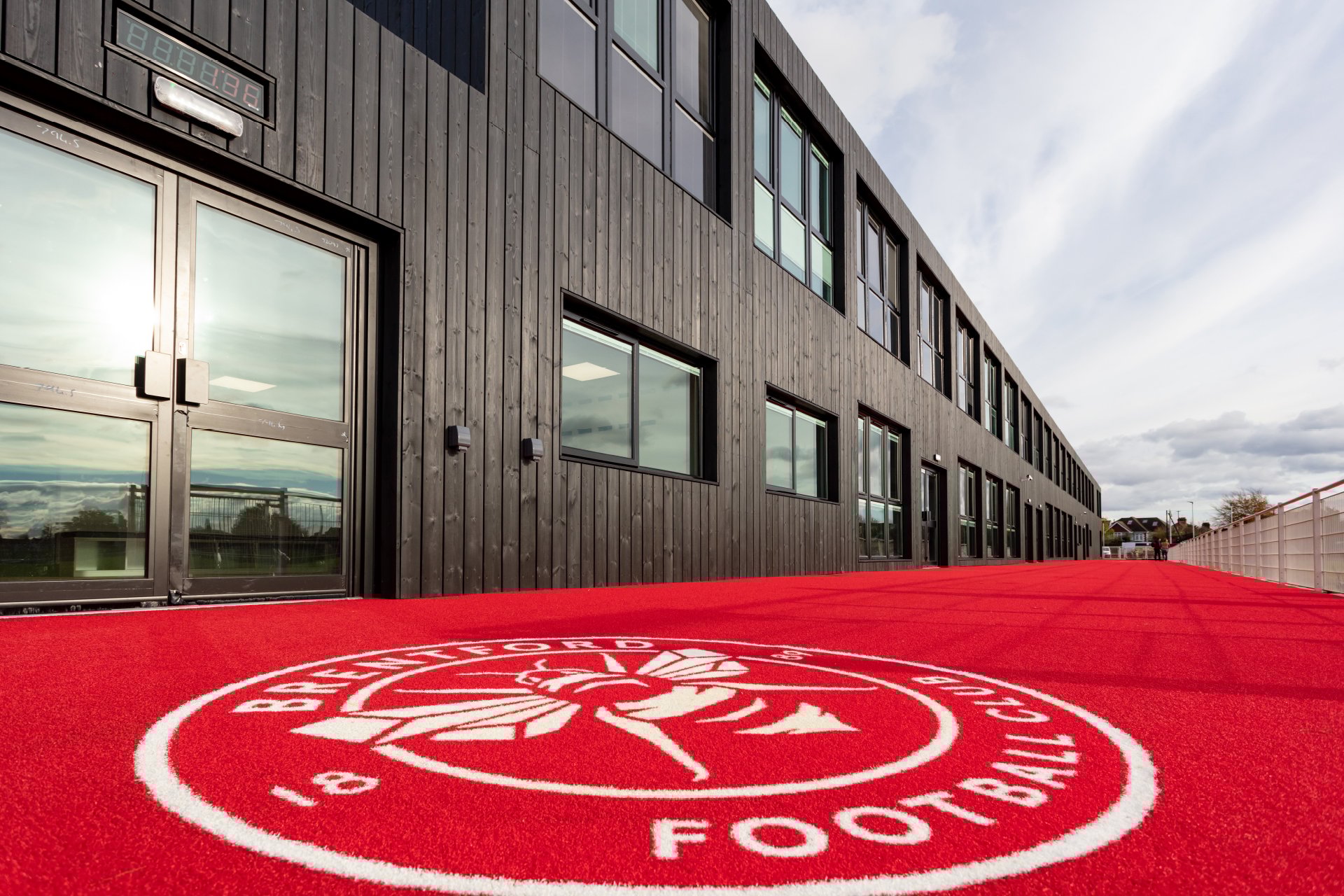
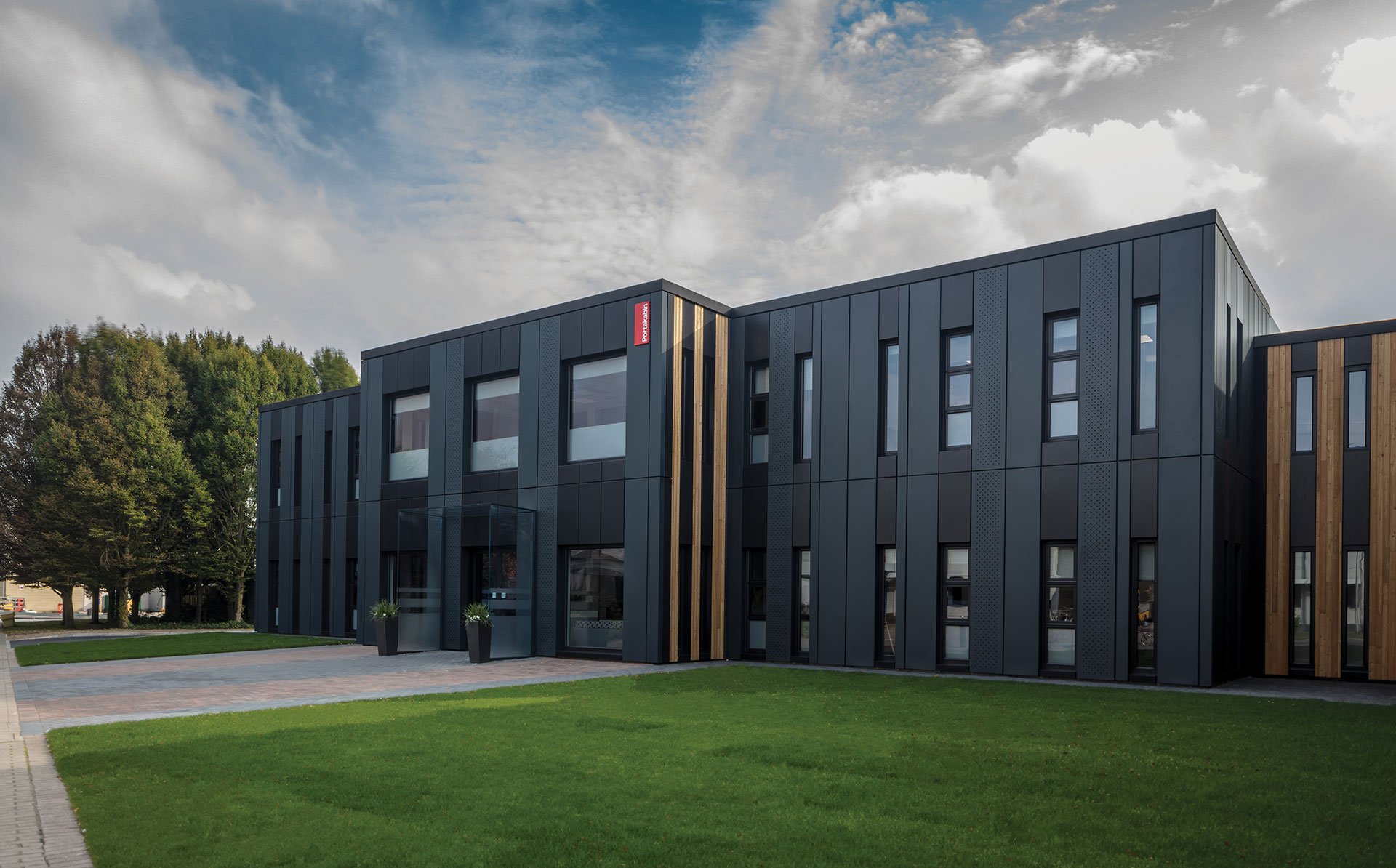
“Those running educational establishments should therefore be looking at quicker and more affordable ways to expand their SEND provision with the likes of Inclusion Hubs, sensory and emotion regulation rooms, and offices for SENDCOs. These types of facilities will be required at many schools and is where modular buildings, such as those provided by Portakabin, can help.
“These high-quality modular classrooms and educational environments are typically faster and more cost-effective to construct than traditional builds – usually being ready in a matter of months instead of years. They also come with layouts which can be easily tailored to include sensory rooms, open areas for group work, quiet zones and therapy suites to support children with SEND.”
Modular Classrooms and Inclusion Hubs
Find out more about our inclusion hubs and modular classroom buildings being a practical solution for inclusive education environments.
*This analysis is based on Freedom of Information requests submitted to 20 of the UK’s largest local authorities, selected to provide a representative spread across England, Scotland, Wales and Northern Ireland. These included a mix of major city councils, London boroughs and large county authorities.
Each authority was asked to provide data for the last three academic years (2022/23, 2023/24 and 2024/25 to date) covering the number of schools with dedicated SEND facilities, the number of new SEND classrooms or support spaces built or approved since 2022, and the total number of pupils registered with SEND. Councils were also asked to share any available assessments or forecasts of future SEND demand, as well as waiting list figures and capital investment where held.
Responses were received from multiple councils across England, Scotland and Wales, including Kent, Essex, Devon, Nottinghamshire, Sheffield, Croydon, Newham, Northumberland, Glasgow and Swansea. These responses form the core dataset for the analysis.
Where councils were unable to supply full numerical data, publicly available sources such as SEND sufficiency plans, capital programme reports, national education datasets and local authority strategy documents were used to supplement the findings. In Scotland and Wales, equivalent ASN and ALN datasets were used to ensure comparability.
All figures reflect the most recent data held by each authority at the time of response. Waiting list figures were reported as live snapshots and may fluctuate. Differences in how councils define SEND facilities and provision mean that figures should be interpreted as indicative of pressure and capacity rather than as exact like-for-like comparisons.