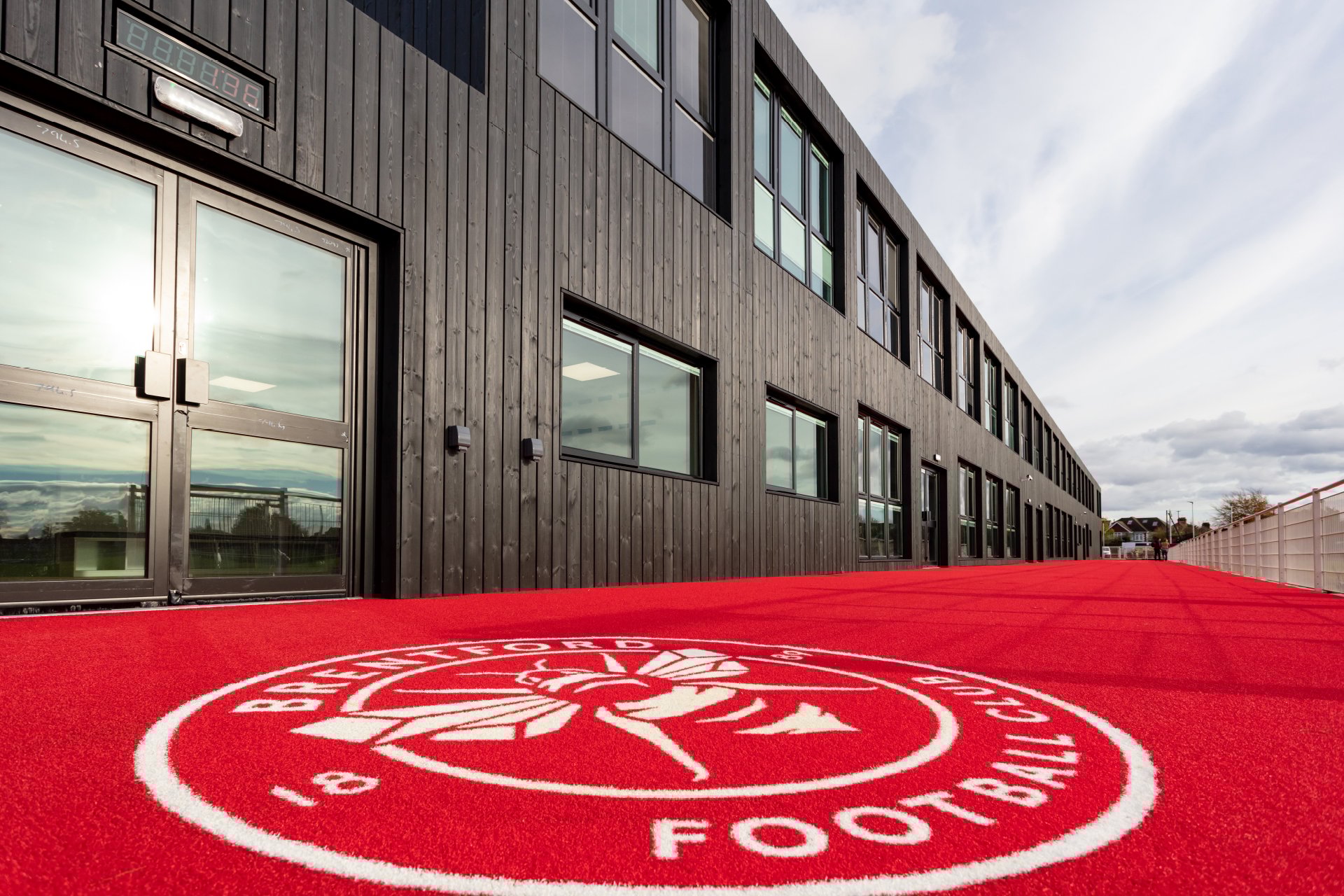
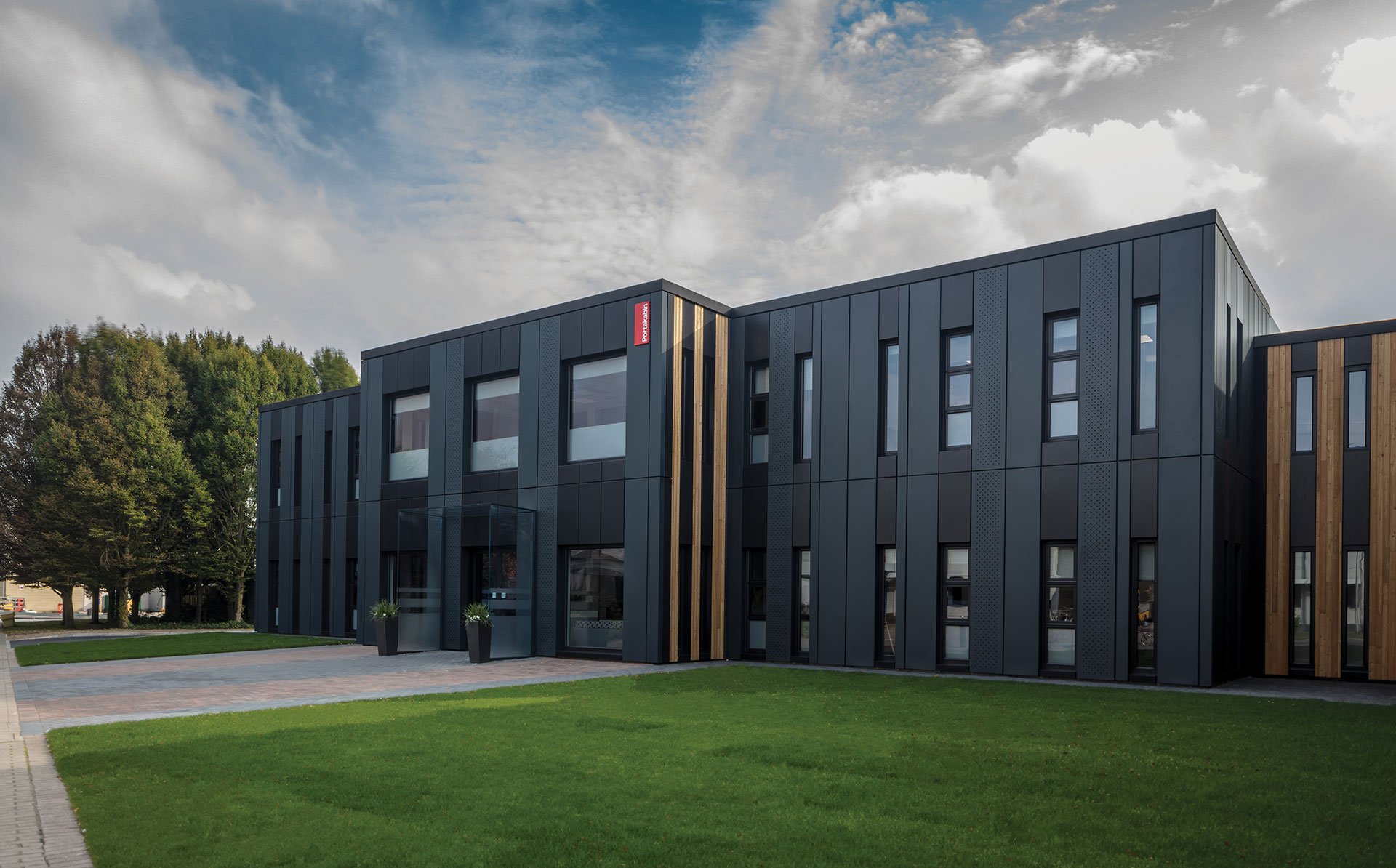
Offsite manufacturing has secured a place in the delivery of hospitals, data centres, schools, offices and other buildings that demand the same standards and lifespan as traditional construction.  

As modular construction takes on more technically demanding and operationally critical projects, the question is no longer whether it works, but how far it can go. 


A sector built on certainty


What 
factory-built production offers is a level of predictability and quality control that is difficult to achieve consistently on open construction sites. Each module is assembled indoors, checked against set tolerances, and delivered ready for fit-out. Quality is built into the process itself, supported by standardised production methods and consistent assurance checks at every stage. 

That consistency has made modular buildings ideal for sectors under pressure to expand fast, education and healthcare, in particular. A new teaching block or ward can be manufactured while foundations are being laid, cutting overall schedules by months. Projects open when they were promised, not depending on the weather or other external factors. But predictability also shows the edges of what modular can currently do. 


Limitations of modular construction


Modular construction has clear advantages, but it is not always the best fit for every project. While it can be delivered successfully in dense urban areas, factors such as design complexity, structural requirements and buildability can all influence whether a fully modular approach is appropriate. Features such as curved façades, large open atriums or highly bespoke elements may sometimes be better delivered through hybrid construction methods instead.
 

Planning frameworks can add to the difficulty, as many still follow timelines and budget models written for traditional builds, which don’t always reflect modular’s faster pace. 

Even so, the industry is adapting. Smaller modular sections and components, better logistics planning and early coordination with local authorities are helping modular fit more projects than before. 

  1. Hybrid modular construction


    Hybrid modular construction takes what works best from both sides. Modules handle the repetitive elements like classrooms, ward bays, offices, while site-built sections cover everything that needs extra height, bespoke form, or heavy infrastructure. The two systems meet cleanly, giving architects more freedom without losing the speed and control that make modular appealing. 

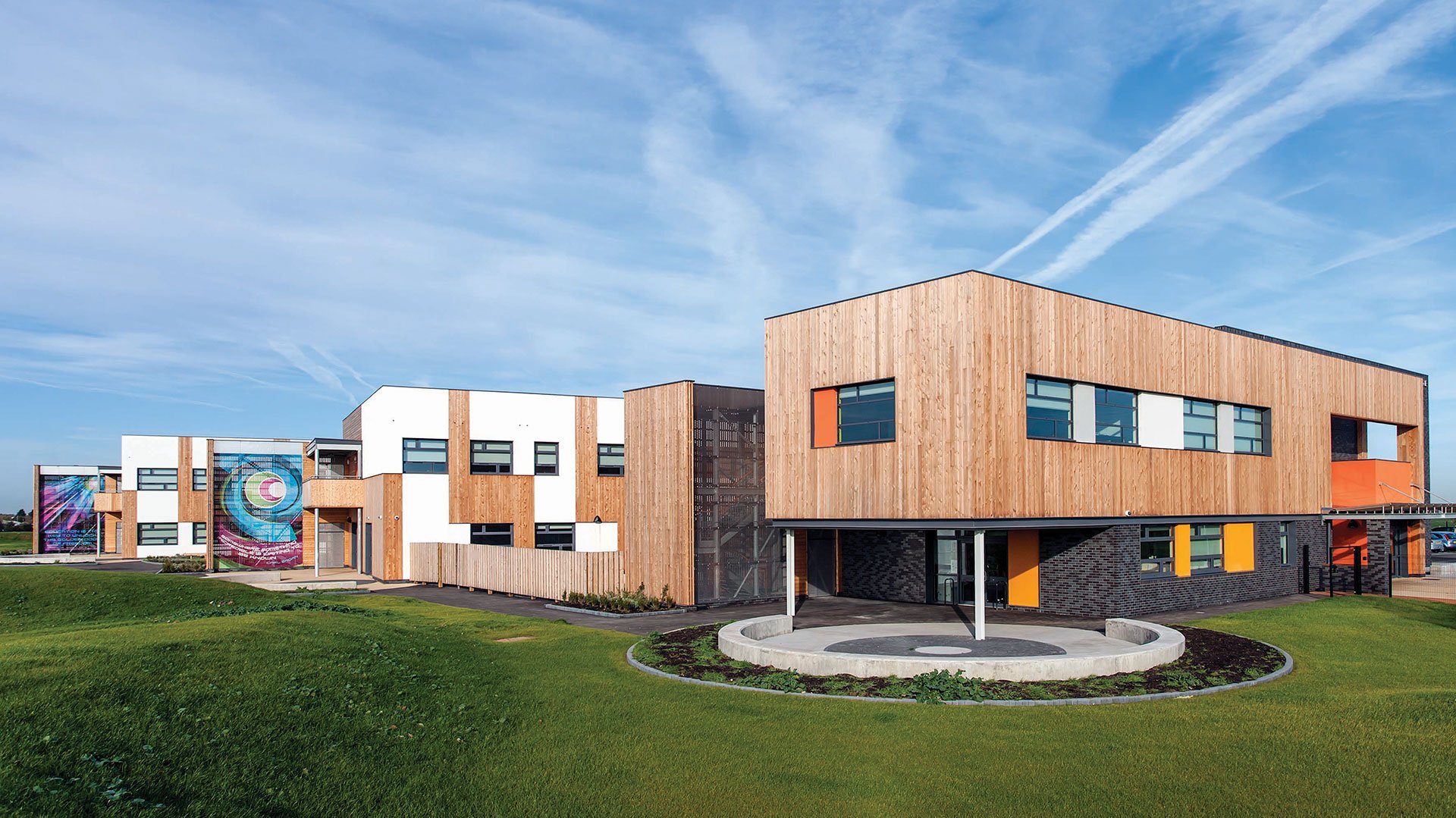
    It’s a model already common in complex schemes. A hospital might use modular wards joined to a traditionally built diagnostic centre. A secondary school might combine modular teaching wings with a conventional sports hall or assembly space. Each part does the job it’s best suited to, rather than forcing a single method to fit all. 

    Hybrid systems also make transport simpler. Smaller units can be delivered to sites where large modules couldn’t pass, then joined together on site. The result is flexibility without abandoning the rigour of off-site construction. 

Innovation in materials and methods


Factory production is advancing, with lightweight frames, panel systems, and modular assemblies improving thermal performance while reducing material demand. Greater emphasis is now placed on long service life, with components designed to be reused, reconfigured, or relocated rather than treated as single-use elements. Design for Manufacturing and Assembly (DfMA) plays a central role here, supported by well-defined connections and interfaces that allow buildings to be taken apart and adapted without loss of performance. Automation and robotics are used in some factory processes to handle repetitive tasks, improving productivity while supporting safer, healthier working environments.
 

The future of modular construction is likely to depend on this kind of incremental improvement rather than a single disruptive leap. Refinements such as wall systems that reduce embodied carbon or connection details that shorten installation time make a measurable difference when applied consistently across factory output. Digital tools link these manufacturing stages back to the design model, creating traceable records of materials and components that contribute to digital product passports, compiling information from design and material selection through manufacture, use cycles, and end-of-life decisions. 

What happens after handover matters just as much. Modular buildings planned around reuse and clear interface logic are easier to adapt when needs change, helping maintain consistent comfort, usability, and performance for the people using the building, even as spaces are reconfigured over time, while extending the building’s working life. 


Where the modular construction sector is heading


In the near term, modular and traditional construction will continue to overlap. Most large projects will use a mix of factory and site-based work, chosen for practicality. Construction platform systems and kit-of-parts approaches are becoming more common within that mix, helping rationalise demand, support circular use of components, and reduce overall resource use. As these approaches mature, the dividing line between “offsite” and “onsite” will continue to blur as hybrid techniques become standard practice.
 

Over the longer term, data will start closing the loop between how buildings are made and how they perform in use. Real usage and maintenance records can inform future designs, but they also support a more user-centred approach, helping buildings respond better to how people occupy, adapt, and operate them day to day. That feedback, applied across projects, is what will move modular construction from a delivery method to a standard way of thinking, grounded as much in user experience as in manufacturing efficiency. 
Want to explore the latest expert insights, industry trends and updates?

Fully inclusive and free
GET A QUOTE
Get your free brochures
DOWNLOAD
Book an appointment
BOOK