
1. Ireland’s food and beverage sector is one of the country’s most significant and strategically important industries. According to Enterprise Ireland, food manufacturing is Ireland’s largest manufacturing sector, employing 169,300 people and exporting more than €19 billion annually.  

    Due to ongoing sector growth and success, facilities teams within global manufacturers and Irish-owned producers, are under constant pressure to modernise sites, meet evolving compliance standards and support business growth. 

    And now, after the busy festive season has calmed down, pressure points are more visible with deferred issues now resurfacing. 

    Often facilities, operations and engineering teams, find this is the moment when long-standing challenges around space, welfare facilities, layout and building condition can no longer be ignored. 

  2. It is also the time when a familiar realisation sets in: 

    “We need to upgrade this site, but we can’t afford to stop production.” 

    For many Irish manufacturing companies that tension between improvement and continuity is one of the defining challenges of modern facilities management. Challenges often found are: 

    • Congested changing areas
    • Overstretched canteens
    • Compromised people flow
    • Temporary fixes that have quietly become permanent. 


    These issues may have been tolerated during busy periods, but once the pressure eases, their impact on compliance, efficiency and employee experience can becomes harder to ignore. 

    This is particularly relevant in food manufacturing, where buildings are not just operational assets, they are part of the food safety system. 

    In 2024, the Food Safety Authority of Ireland (FSAI) served 133 Enforcement Orders on food businesses for breaches of food safety legislation. An increase of 45% compared to 2023.  

    Many of these orders relate to issues that are directly tied to premises and facility conditions, such as: 

    • unsuitable food storage facilities 
    • inadequate cleaning and maintenance 
    • failed staff training in hygiene and facility practices.


    These kinds of enforcements highlight that building conditions and facility arrangements still fall short of legal and food safety expectations at a significant number of food manufacturing businesses. 

    The FSAI consistently highlights the importance of premises design, maintenance and condition in achieving compliance, with structural issues and facility standards remaining common areas for improvement in inspections. 

  3. Why downtime is such a sensitive issue in food manufacturing 


    In food and beverage, downtime is rarely just lost hours. It often brings a chain reaction of consequences, such as: 

    • wasted raw materials and work-in-progress 
    • extended cleaning and revalidation 
    • missed delivery windows 
    • overtime to recover output and  
    • pressure on customer relationships. 


    According to a survey conducted globally by ABB in 2023, unplanned downtime averaged around USD $125,000 per hour across industries, with some sectors such as food and beverage estimating that outages of 8–12 hours can accumulate very significant costs. 

    For Irish manufacturing companies, operating in high-volume, time-sensitive and export-driven environments, even short interruptions can have a disproportionate impact. 

  4. Why “just refurbish it” is rarely simple 


    In theory, refurbishment sounds straightforward. In practice, in a live food environment, it is anything but. 

    Refurbishing a food or beverage facility means working in a space where: 

    • hygiene zoning must be maintained 
    • segregation is critical 
    • people and product flows are tightly controlled 
    • utilities are mission-critical 
    • audit readiness must be always maintained. 


    This is not comparable to refurbishing an office or warehouse. In food manufacturing, the building itself is part of the control system. 

    As a result, many facilities teams find themselves caught between: 

    • the need to upgrade 
    • the risk of disruption 
    • the reality that stopping production is not an option. 


    It is this tension that has driven a shift in approach across the sector. 

  5. Refurbishing around production, not through it 


    More food manufacturers are moving towards phased, live-environment refurbishment strategies

    This typically involves: 

    • breaking projects into small, controlled phases 
    • aligning work with maintenance windows, nights or weekends 
    • maintaining strict segregation between construction and production 
    • protecting critical utilities and services 
    • and planning cleaning and validation at each stage. 


    This approach is not about eliminating disruption altogether. It is about making disruption planned, contained and recoverable. 

    From a risk perspective, this is often safer than large, one-off shutdowns, where delays and overruns can quickly escalate. 

  6. The space challenge 


    One of the biggest barriers to live refurbishment is not budget or intent - it is space. 

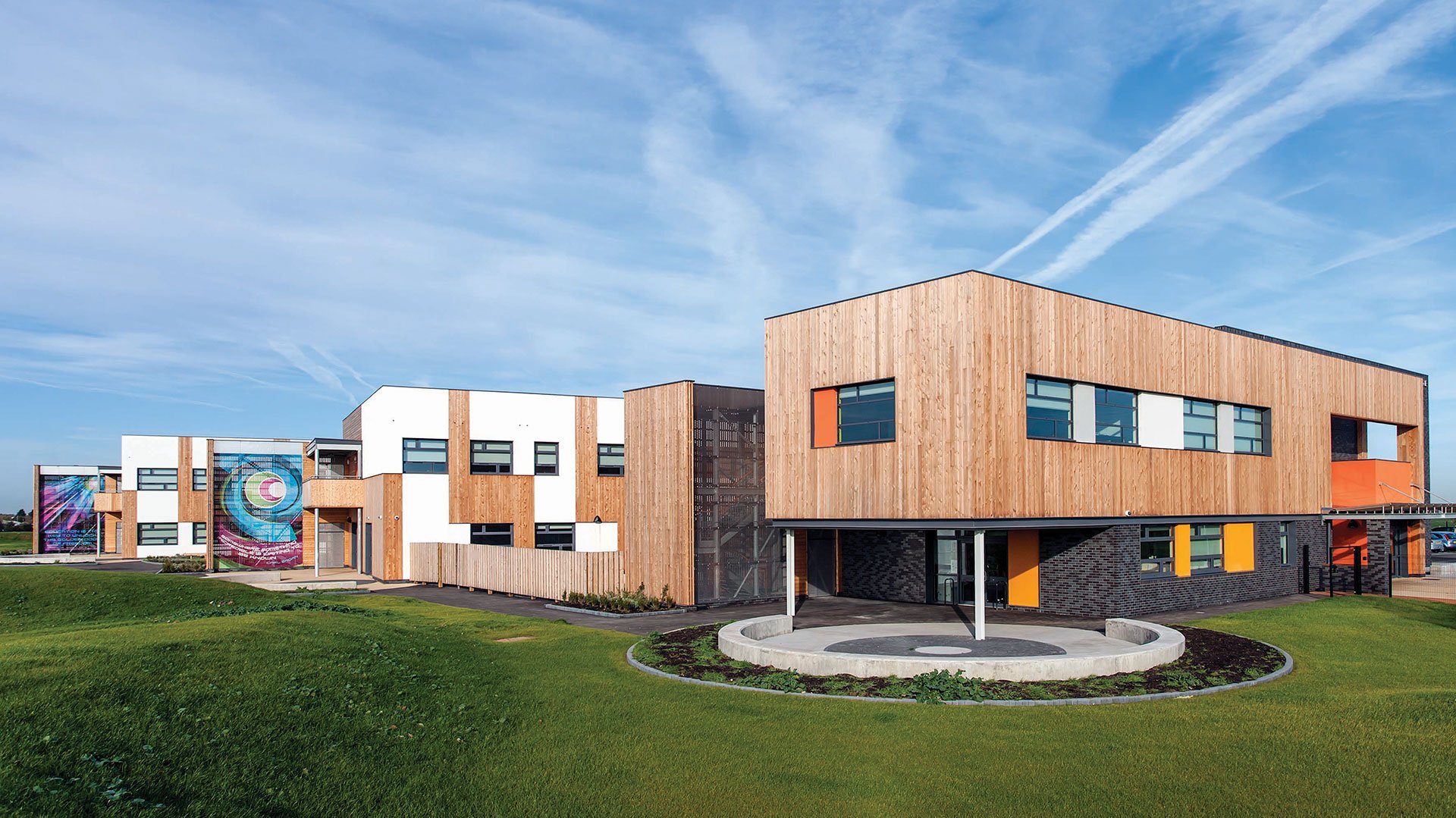
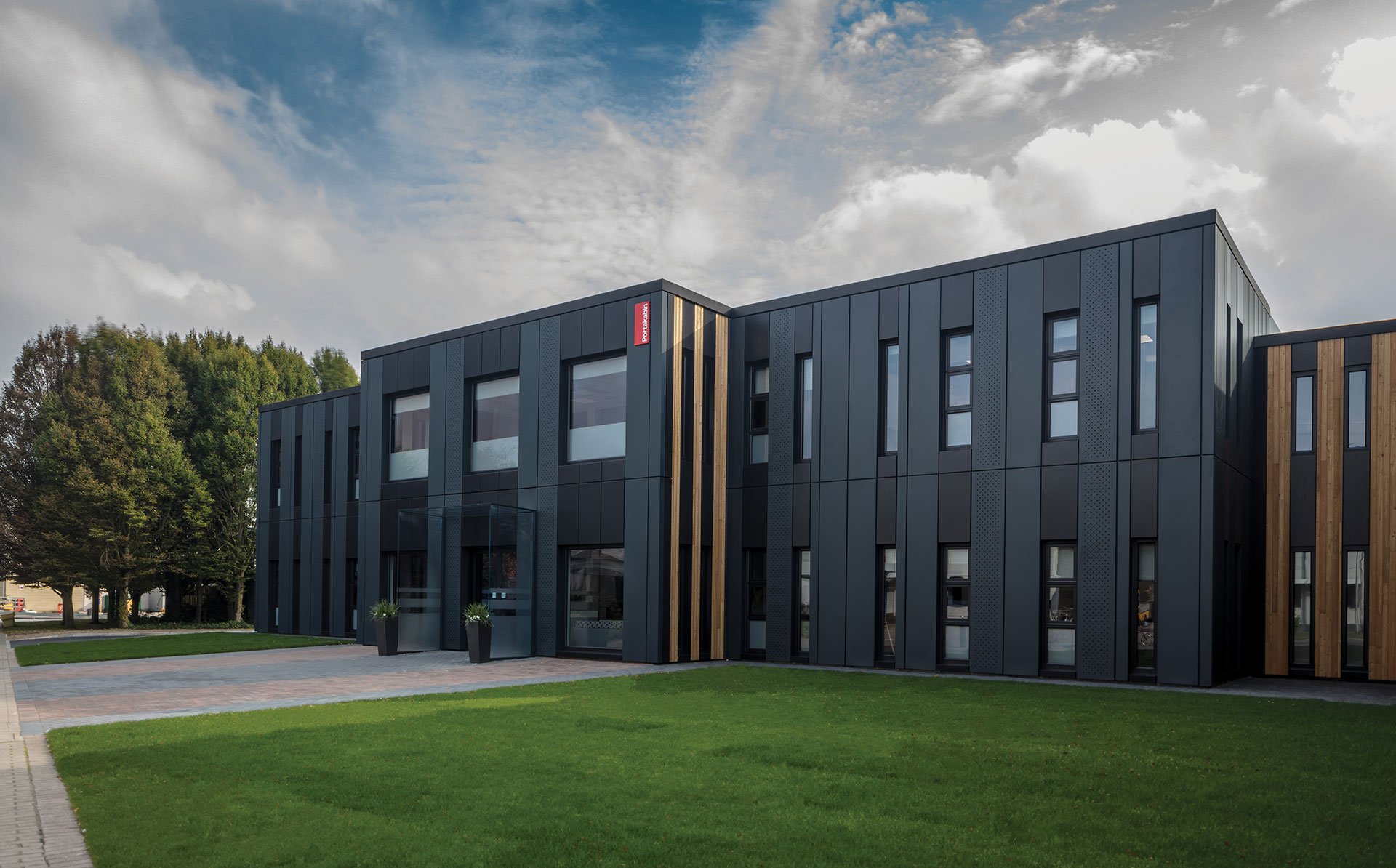
    You cannot upgrade welfare facilities, reconfigure offices or improve technical areas if there is nowhere to relocate people in the meantime. In many established Irish plants, the existing footprint is tightly constrained, leaving little spare space on-site and limited scope for expansion. This is why temporary and modular buildings are increasingly used as decant accommodation during refurbishment projects. 

    Not as a permanent fix, and not as a shortcut, but as a practical way to create breathing room. 

    Temporary space or modular buildings can support: 

    • welfare and hygiene upgrades 
    • office and administration relocations 
    • QA and training facilities 
    • phased reconfiguration of existing buildings. 


    By creating additional space on site, facilities teams gain the flexibility to refurbish existing areas in a controlled, low-risk way, without displacing teams or disrupting production. 

    Once the works are complete, that space can be removed, returning the site to its original footprint. 

  7. A supportive way forward 


    Refurbishment is essential to maintain compliance, efficiency and employee wellbeing in Irish manufacturing companies. But it does not have to come at the cost of output. 

    With careful planning, strong governance and the thoughtful use of temporary spaces, such as modular buildings, it is entirely possible to modernise facilities while keeping production moving. 

    For facilities managers, the key is to approach refurbishment as an operational continuity exercise, not just a construction project. 

    When food safety, people flow and production resilience are designed in from the start, disruption can be minimised and control maintained throughout. 

    And in a sector where reliability is everything, that balance matters. 

    Find out more about our product range and how we can help your business during refurbishment.  

    Read about how we supported the Oakpark Foods with high-quality modular buildings to support the business' future growth.